
This question is: Can you look inside a woman’s purse, or a man’s backpack during a pat down?
Can you pat down a purse or a backpack during a Terry stop?
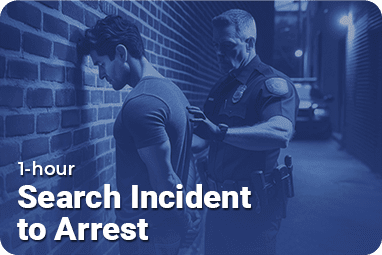
The answer is, “Maybe.” Here’s how this works. We know that patdowns are an overall minimally intrusive way to protect yourself from weapons and blunt objects during a Terry stop. And, if you have reason to believe that the person is either armed or dangerous, you can pat them down for weapons.
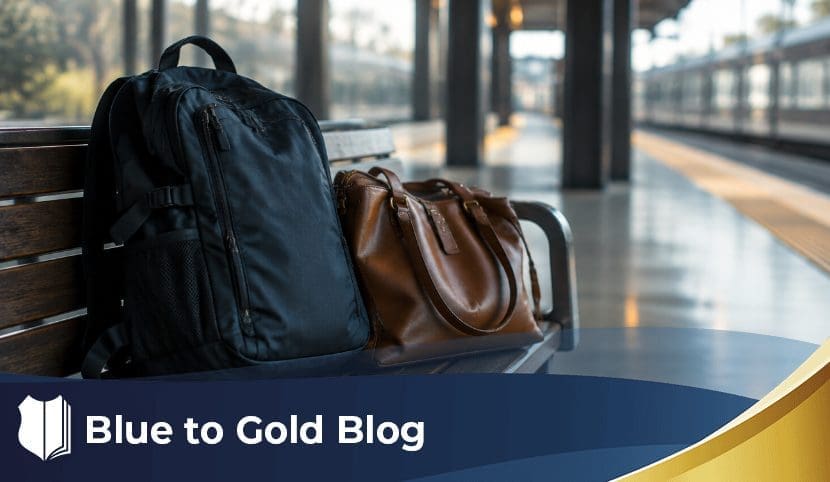
As far as purses and backpacks go, if you can also articulate that you believe that a weapon could be in there, then what the courts want to see is that you start from the outside and only go into the container, the backpack or purse if you cannot effectively pat the item down from the outside.
What should your report say when you open a purse during a pat down?
So literally, what courts would like to see in your reports, if you are doing this on a purse, for example, is that you articulate that the purse is thick-sided and it’s not conducive to a pat down. Therefore, you opened it up, and only did those things necessary to find a weapon, blunt object, knife, and so forth.
You’re not looking for evidence. Now, if you see evidence in plain view, it can be seized, but the courts do want to make sure that you’re on the up and up when you’re doing something a little bit non-traditional such as looking inside containers. They’re going to want to ensure that you’re not using this as a ruse to get into peoples’ backpacks and so forth.
Does a detained suspect still have access to their backpack?
So that’s the rule, if you have access, and also they have access to it. Typically, when people are detained, either they can be handcuffed or not, but usually they still have, or will have access to those places. So if you stop somebody for potentially being involved in an armed robbery, and you pat that person down, and they’re carrying a backpack, most cops are probably going to pat down the backpack as well, because that’s where the gun would be.
If you have evidence that they actually used a firearm, and you’ve Terry stopped them, they probably have a firearm on them somewhere. And if it’s not on their person, it’s likely in that backpack. So start from the outside, if you can effectively do that. You unzip it, and just look for the gun, and then you secure the gun and you go from there. That’s the rule on containers associated with pat downs. I hope this helps.
Related from Blue to Gold
- Search Incident to Arrest (SITA) in Florida
- Stop and Frisk on Traffic Stop
- Can You Detain Someone Based on Call They Have a Gun?
This article is an edited transcript of Roadside Chat Ep. #38. It is legal training, not legal advice. Check your state law and your agency policy, because both can be more restrictive than the Fourth Amendment.