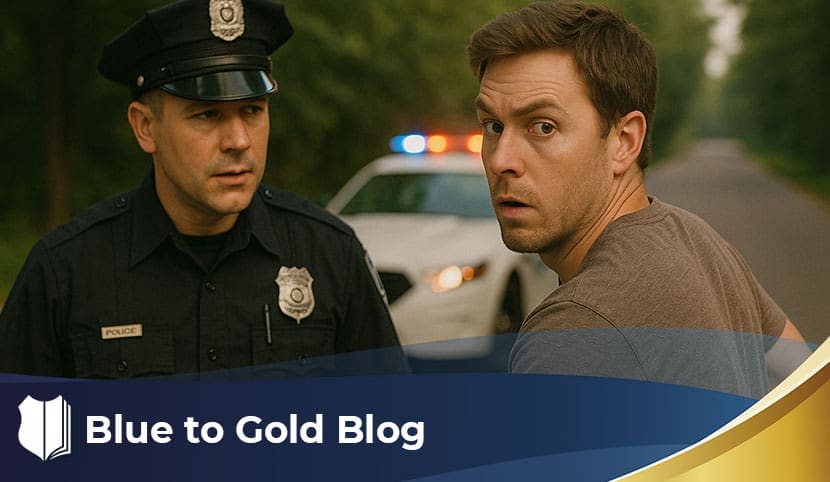

In the dynamic world of patrol, the moments before a suspect flees on foot often hold a wealth of information—if an officer knows what to look for. Criminals rarely act without warning; their bodies betray their intentions long before their feet hit the pavement. Understanding pre-flight indicators and extreme nervousness cues is a vital component of proactive policing. This article explores those subtle yet critical behaviors that precede a suspect’s decision to run.
The Psychology Behind the Flight
Before diving into specific indicators, it’s important to understand the mental state of a suspect considering flight. These individuals often experience a surge of adrenaline, narrowed situational focus, and a sense of threat—even if the officer has not made any verbal accusation. Their body reacts before their brain forms a cohesive escape plan. This dissonance creates involuntary behaviors—micro-movements and nervous tics—that become invaluable tools for trained officers.
1. The “Target Glance” or “Look to Escape”
Before a suspect runs, they will almost always look where they plan to go. This glance is rarely subtle. It is not casual scanning; it’s calculated and urgent. Watch for:
– Repeated looks over the shoulder or toward an open path.
– Scanning for exit points like alleyways, gaps between buildings, or between parked cars.
– Staring at the officer briefly, then immediately looking away or down.
Officer takeaway: The eyes often flee before the feet do.
2. Postural Shifts and the “Track-Starter Position”
A suspect preparing to run often subconsciously adjusts their body into a running stance—what I like to refer to as the “track starter position.”
Look for:
– Blading or angling the body away from the officer.
– Shifting weight onto the balls of the feet.
– Feet pointing away toward direction of escape route
– Slight crouching or movements, as if bracing to push off.
– Foot fidgeting or movements, such as slight backward steps or bouncing.
Officer takeaway: Their body loads like a spring. The tighter the posture, the closer they are to
flight.
3. “The Ejector Seat” – Sudden Upright Tension
If the individual is seated (in a car or on a curb), a sudden posture change can be a major indicator. They may go from relaxed to stiff and rigid in an instant. This phenomenon, which I like to refer to as “The Ejector Seat,” is a sign the subject is preparing for action after reacting to the presence of a marked patrol unit or visual of an officer. When someone is seated in an Ejector Seat and has knowledge they are about to be launched/ejected, the impending action about to upright fold is more than their mind can handle and their body language expresses this fear and anxiety. Suspects reacting to police presence while seated will display consistent behavior at the sight of police.
Look for:
– Rapid shift from slouching to upright posture.
– Hands gripping the seat or edge as leverage.
– Eyes widened, shallow breathing, or clenched jaw.
Officer takeaway: Rapid tension equals rapid decision-making—often not in your favor.
4. Arm Tension and “Elbow Flare”
One of the most overlooked but critical indicators is arm positioning. A suspect thinking about flight may have an unconscious need to secure contraband or a weapon before running so they do
not lose control of that object as well as so they can potentially access it or use it against the officer if flight does not yield it’s intended result; escaping police apprehension.
Watch for:
– One arm held stiffly against the torso while the other moves freely.
– A flared elbow at a 45-degree angle—signifying a hand near the waistband while fleeing.
– Adjusting or patting at the waistband or front pocket (commonly referred to as a “security
check or confirmation glance”).
– Asymmetrical Gait and arm drive while fleeing on foot from police.
Officer takeaway: Asymmetry is unnatural. When one arm behaves differently, investigate further. When it happens or is observed while you are actively chasing the suspect, react appropriately and be prepared for the suspect to go from flight to fight. Time and distance during those moments will keep us alive.
5. Facial Tells and Nervous Habits
The face often reveals what the suspect is working hard to hide. Indicators of internal conflict
and anxiety include:
– Rapid blinking.
– Licking lips or clenching the jaw. Pursed lips during conversation when it comes to the hard questions. Carrying guilty knowledge is mentally taxing on a suspect as they work through an interview and try not to make mistakes in their responses to an officer.
– Flared nostrils (a sign of increased breathing rate and oxygenating the body before serious physical action). This is also referred to as nasal wing dilation. Take this behavior seriously when you see it…
– Twitching, face-touching, or wiping sweat.
– Yawns—the bodies way of trying to easy dealing with high anxiety as well as release saliva into the mouth as it is dealing with “cotton mouth” from stress.
Officer takeaway: Nervous energy always leaks—usually through the face first.
6. Verbal Disclaimers and the Nervous Monologue
Sometimes suspects try to talk themselves out of trouble, distract the officer, or create the good- guy perception to the officer. These verbal cues are important too:
– Rambling answers that don’t match the questions asked while steering the conversation away from the hard question(s) being asked by police.
– Repeating phrases like “I ain’t done nothing,” or “Why you bothering me?” preemptively. Counter accusations, verbal intimidation tactics, and verbal fight-mode in an attempt to get the officer to disengage from his investigation and make it “not worth it.”
– Overly friendly or animated behavior, which may be masking agitation. Constant compliments toward the officer to keep the conversation from going into an investigatory one as well as to create the impression upon the officer that there is no way the suspect could be engaged in criminal activity because he “likes police and or the officer.”
Officer takeaway: The louder the denial, the more likely there’s something worth denying.
7. The “One-More-Thing” Delay Tactic
Right before they run, suspects may stall or distract:
– Asking to tie their shoe or just physically bending down to do that.
– Dropping something “accidentally.”
– Physically tossing and item or item of contraband down and away and directing the officer’s attention to it before taking flight when the officer looks at it or physically
attempts to retrieve it.
– Doubling over and claiming to be in pain for to be having a heart attack.
– Stepping away casually before launching into a sprint.
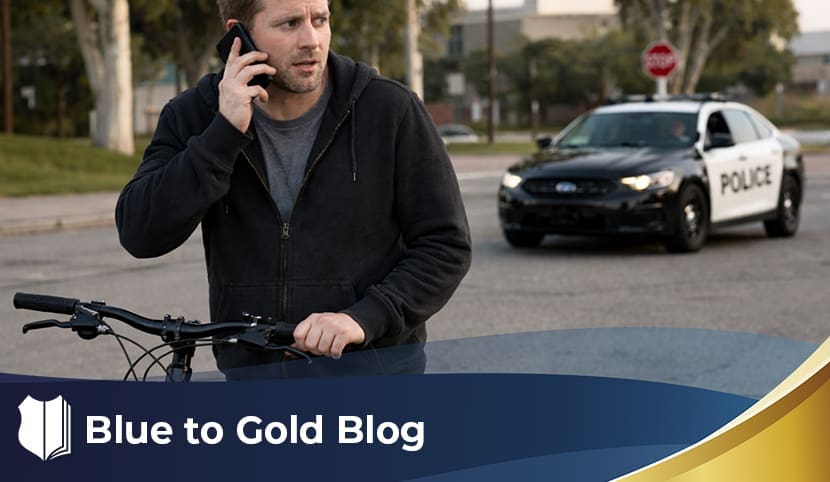
– Stepping away to answer a phone call to put themselves into a position to be athletic and take flight in that direction.
– Overtly stretching out
Officer takeaway: Sudden “normal” movements during high-tension moments are rarely innocent. Do not allow yourself to be complacent and remain within reach of the suspect if you are seeing signs of pre-flight unfolding.
Training Yourself to See the Signals
Recognizing these signs is not about having a sixth sense—it’s about repetition and mental muscle memory. Officers must train themselves to articulate what they observe, not just feel it.
Sample articulation:
“As I approached, I observed the subject repeatedly glancing to his right toward an open alleyway. He bladed his body, shifted his weight to his rear foot, and clenched his fists. His
breathing increased, and he began to bounce slightly, consistent with pre-flight indicators I have seen in past fleeing suspects.” This level of articulation demonstrates legal justification for your actions and shows that you were guided by observed behavior—not a hunch.
Conclusion
In policing, timing is everything. Recognizing and acting on pre-flight indicators can mean the difference between a foot pursuit and maintaining control of the suspect. These behavioral cues—some of which may be subtle at times—are visible, teachable, and are able to be articulated. The more an officer trains their mind to detect them, the safer and more effective they become in the field. Criminals may run, but their bodies often speak first.