
When individuals with guilty knowledge—such as criminals or those aware of their wrongdoing—encounter police, they often exhibit instantaneous behavioral and physiological reactions, such as freezing, fleeing, or engaging in a fight response to avoid apprehension. These responses often manifest as extreme nervousness, betraying the suspect’s state of mind.
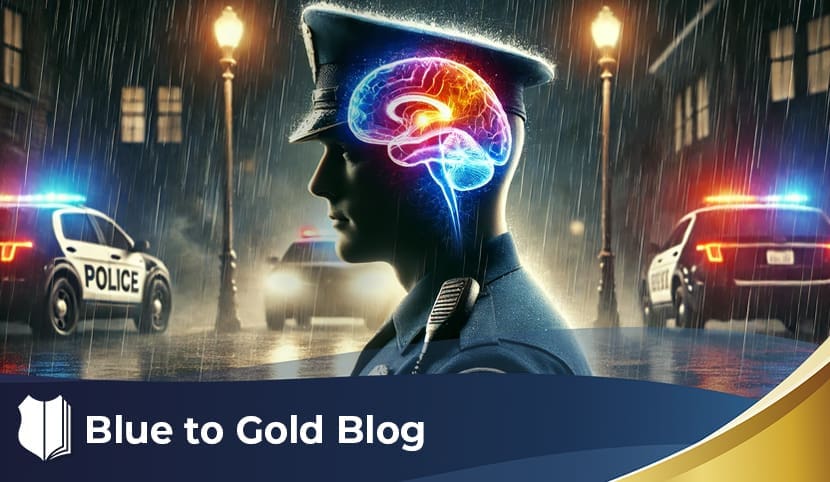
These rapid, reflexive reactions are rooted in neurobiology, specifically the limbic system, the brain’s emotional processing hub. Evolved to manage threat detection and survival-oriented behavior, the limbic system drives instinctual responses to perceived danger, including law enforcement encounters, which may symbolize the threat of apprehension or incarceration.
Role of the Limbic System in Rapid Reactions
The limbic system comprises interconnected brain regions responsible for emotion, memory, and motivation, including:
-
Amygdala: Detects threats and triggers fear-related responses.
-
Hippocampus: Encodes context and memories of past experiences.
-
Hypothalamus: Activates the autonomic nervous system, initiating fight-or-flight responses.
-
Prefrontal Cortex (interacting with the limbic system): Modulates behavior but may be bypassed in rapid reactions.
When a person with guilty knowledge encounters a police officer, the following sequence unfolds:
-
Amygdala Activation: The amygdala perceives the police presence as a threat, particularly if past trauma or fear of legal consequences is involved.
-
Fight-or-Flight Response: The hypothalamus activates the sympathetic nervous system, releasing adrenaline and cortisol, resulting in increased heart rate, pupil dilation, and muscular tension.
-
Motor Output: Depending on conditioning, the individual may freeze (tonic immobility), flee, or exhibit deceptive behavior—all within milliseconds.
-
Memory Encoding: The hippocampus retrieves emotional memories, such as past arrests, reinforcing the sense of danger.
These reactions often occur before conscious thought, a phenomenon known as “neural hijacking,” where the amygdala bypasses the slower, rational prefrontal cortex. This makes these reactions particularly honest and reliable indicators of guilt or fear.
Key Drivers of Behavior in Guilty Individuals
-
Anticipated Punishment: The limbic system reacts to perceived consequences, especially if prior experiences with authority were negative.
-
Hypervigilance: Guilty individuals often exhibit heightened threat perception, making them more likely to notice and overreact to police presence.
-
Conditioned Associations: Prior criminal activity links law enforcement with fear, loss of freedom, or trauma, encoding strong emotional memories.
-
Loss of Cognitive Control: Under stress, the prefrontal cortex, responsible for decision-making and inhibition, is suppressed, leading to impulsive or erratic behavior.
Neural Mechanisms Involved
The limbic system, particularly the amygdala, is central to detecting threats and generating emotional responses:
-
Amygdala: Acts as an emotional radar, rapidly assessing the threat value of a police officer’s presence, especially in those with guilt or fear of consequences.
-
Hypothalamus: Receives amygdala input and triggers autonomic responses, such as increased heart rate, pupil dilation, and muscular tension—hallmarks of the fight-or-flight response.
-
Hippocampus: Retrieves context-relevant memories, such as past encounters with law enforcement, amplifying the sense of danger.
-
Anterior Cingulate Cortex (ACC): Involved in error detection and emotional regulation, the ACC may spike in activity when there’s a mismatch between the individual’s goal (avoiding detection) and the sudden appearance of a threat (police).
Key Psychological Drivers
-
Guilt-Tagged Memory Activation: Visual cues, like an officer’s uniform, trigger emotional responses linked to past actions or internal states, such as committing a crime.
-
Hypervigilance in High-Risk Individuals: Those engaged in illicit activity often scan environments for threats, making their limbic system more reactive to cues like a badge or uniform.
-
Fear Conditioning: Previous experiences or societal norms associate police with arrest or punishment, eliciting a conditioned fear response.
Interpretations & Implications
These reactions are not merely emotional but deeply neurobiological, rooted in the brain’s evolutionary mechanisms for rapid threat detection and response. For individuals with guilty knowledge, law enforcement represents both a symbolic and practical threat, making even passive observation feel confrontational. The reflexive nature of these responses often occurs before the prefrontal cortex can exert rational control.
Conclusion
The instant reactions of individuals with guilty knowledge to police presence are limbic-driven, autonomic responses involving the amygdala, hippocampus, and associated networks. Triggered by associative fear, conditioned responses, and internal threat detection, these behaviors occur well before conscious thought. They highlight the profound link between emotional memory, environmental cues, and the brain’s survival mechanisms.
For a real-world application of reaction-based policing using knowledge of the limbic system, check out Mastering Proactive Policing for Patrol, a class available to sworn law enforcement officers worldwide.