
The Sixth Amendment right to counsel provides that a criminal defendant has the right to the effective assistance of an attorney during all critical stages of prosecution once the defendant has been formally charged. The Sixth Amendment right to counsel is charge-specific, meaning its protections only apply to any formally charged matter. One such critical stage of prosecution is an attempt by police to elicit testimonial evidence from the defendant prior to the trial. Once invoked, the Sixth Amendment right to counsel prohibits the police from deliberately eliciting self-incriminating evidence from the defendant outside the presence of an attorney. The defendant may waive this right if done so knowingly and voluntarily.
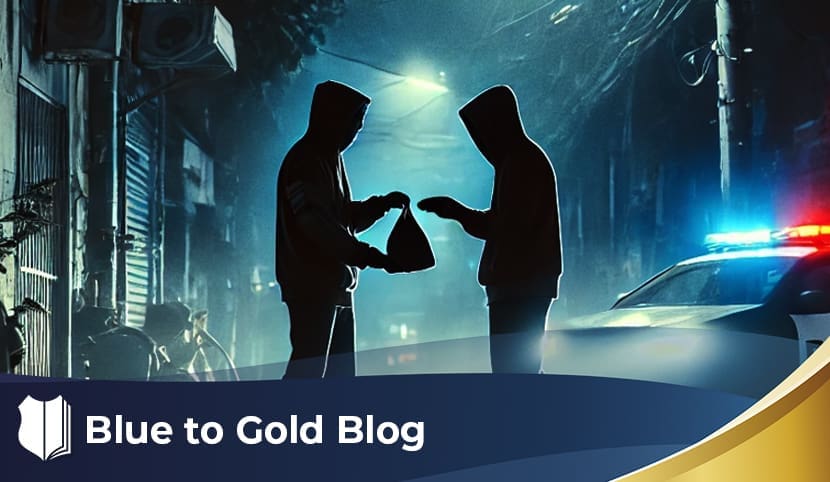
Suppose, following his arrest for a robbery, an in-custody suspect invokes his Miranda protections by saying that he refuses to answer questions without an attorney present. The police immediately cease all efforts at interrogation. The suspect is then brought before a judicial official for a probable cause hearing and bail determination. The judicial official orders the suspect held without bail. The next day, while the suspect is still incarcerated, an undercover police officer posing as the suspect’s cellmate initiates conversation about the robbery. The suspect makes several self-incriminating statements about the robbery. May the prosecutor use those statements as evidence of the suspect’s guilt at trial?
No. The suspect’s Sixth Amendment right to counsel was violated when the undercover officer initiated discussion about the robbery. When the suspect was brought before the judicial official and the probable cause and bail determinations were made, the adversarial process had begun, i.e., he had been formally charged. His Sixth Amendment right to counsel had attached. The police were thereby prohibited from deliberately eliciting any self-incriminating information regarding the robbery unless the suspect waived his Sixth Amendment right to counsel. A waiver may not be presumed merely because the suspect appeared to voluntarily speak with his cellmate.
Note: The undercover officer would not have been barred from attempting to elicit self- incriminating information regarding any other unrelated criminal matter. The Sixth Amendment right to counsel does not apply to uncharged crimes. This is true even though the suspect had previously invoked his Miranda protections the night before. The undercover officer’s efforts did not amount to custodial interrogation. Miranda and it’s own prophylactic rules only apply during custodial interrogation