
Can police continue to ask for consent if the person is not giving an answer?
This question is from an officer in Minnesota. Basically he asks this; “Say I’m looking for consent to search a motor vehicle. I asked the person if they would allow me to search their car, they beat around the bush and change the subject. Could police continue to ask the question until a yes or no is received or would this have to be taken as implied denial of consent?”
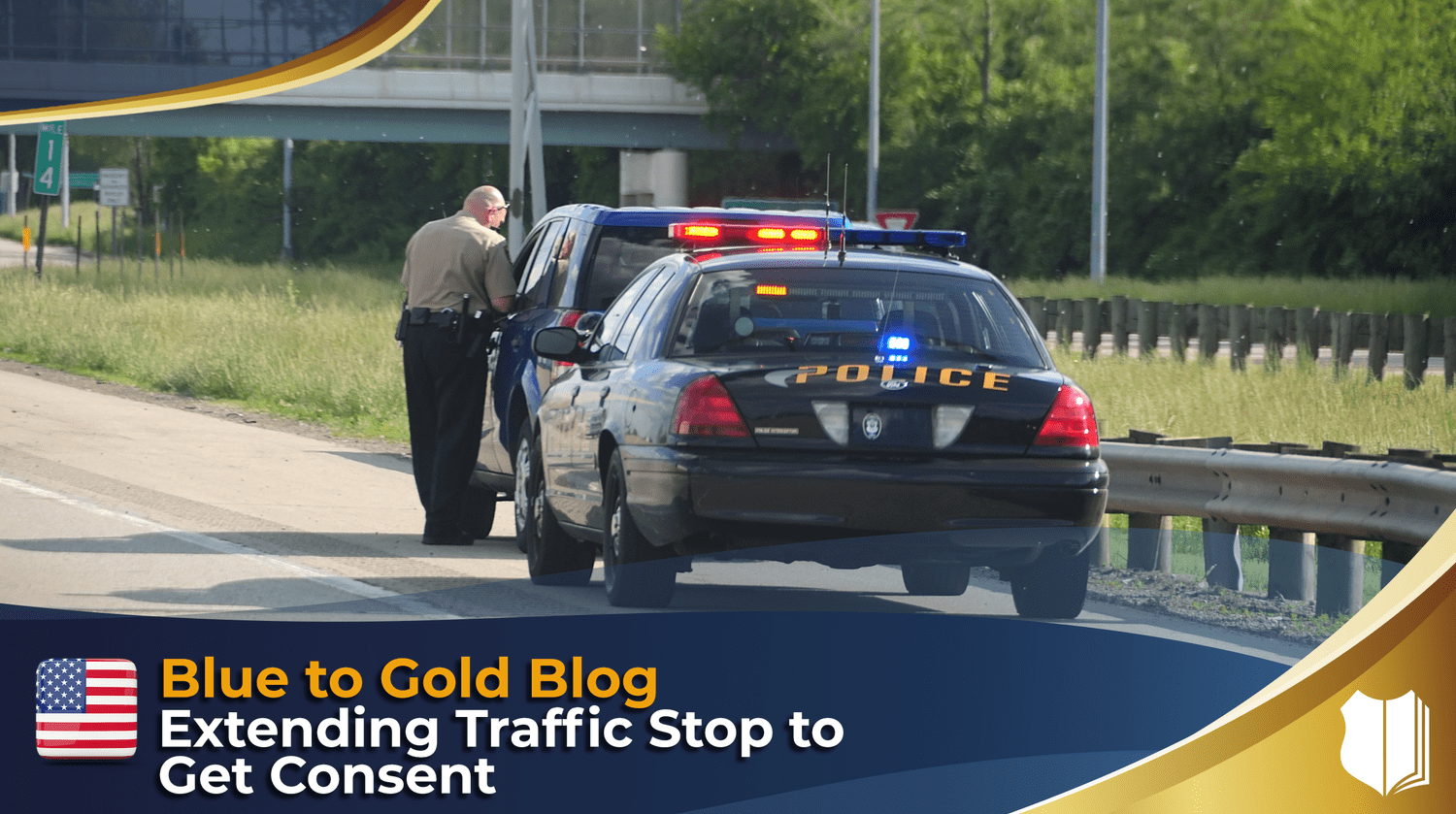
It’s a very good question. Here’s my answer. Now, if you are asking for consent during a traffic stop, and you do not have reasonable suspicion of criminal activity, you’re just trying to ask for consent. If it’s because you have a hunch, then this is problematic.
It’s problematic for this reason. It seems to violate the principles outlined in Rodriguez, a Supreme Court case that says that you have to focus on the mission of the traffic stop and you can’t go off mission if it extends time.
Asking for consent we know, is okay. There’s no Supreme Court case out there or any other case I’m aware of that said that you can’t ask for consent during a traffic stop. However, that doesn’t answer the question of selling consent, or persuading people to give their consent to search. So that’s going be the issue here.
If the officer stopped the person for speeding and they have a hunch that there’s something in the car, they can ask for consent to search. If the person is hemming and hawing around the edges and the officer is adding a bunch of time to try to persuade that person to consent, then it’s a problem under Rodriguez.
Is it related to the traffic stop? No. Is it off mission? Yes. Is it adding time? Yes; that’s the problem.
Here are a couple of other pro tips before I let you go.
Number one is if the officer does have reasonable suspicion, and in Minnesota you probably do, because some states like Minnesota, Colorado, New Jersey, and so forth, they don’t allow police to ask for consent to search unless they actually have the reasonable suspicion first.
So if you do have reasonable suspicion that the person is involved in criminal activity, then maybe now you can transform the traffic stop from a traffic violation to a criminal investigation. Maybe the the consent to search is now related to the reason for the stop. Does that make sense? So adding some time for that would be permissible.
The second little pro tip is that if you’re concerned about this, and don’t want to extend that traffic stop and be off mission and violate Rodriguez and so forth, the solution is to give them all their paperwork back, allow them to be free to leave, and only then ask for consent to search during a consensual encounter. You don’t have a Rodriguez issue because you’re not extending time while the person is being detained. The person is free to leave and that would actually solve that.
Alright, I hope it helps. Keep the questions coming. Until next time, my friends stay safe.