
Today’s question is: when is Miranda required during a detention?
First of all, this is a little bit of a pet peeve of mine. When I go around the country, many officers tell me that Miranda is required when the person is not free to leave. They were taught this. Unfortunately it’s bad training, and oftentimes it’s the lawyers who are training them to say it.
That is not the legal standard.
Being not free to leave is a detention. And we know that during detentions, Miranda is not required.
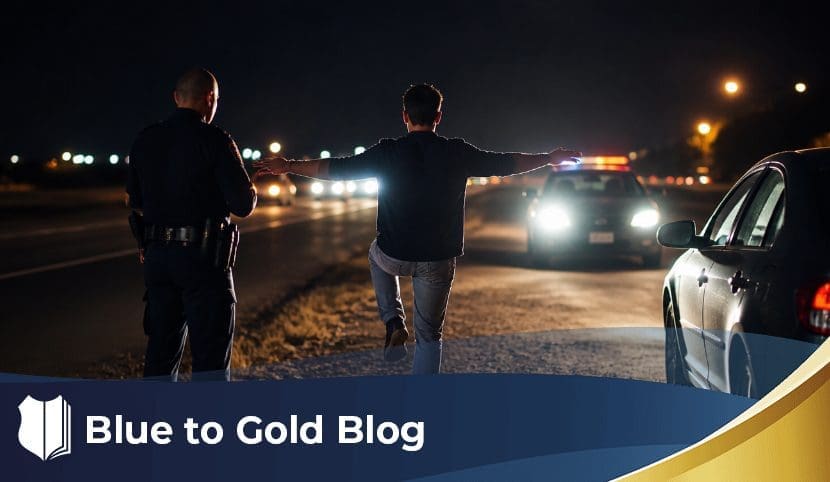
For example, during a DUI investigation. How many times have you read Miranda to a DUI suspect during field sobriety tests? Almost never. Because it’s a detention and you’re in the investigative phase.
Yet the person is not free to leave. Certainly if the person turned around and started walking away you would detain them, probably arrest them for obstruction, and press the DUI as well. My point is, they are not free to leave. But Miranda is not required.
The three things that actually trigger Miranda
Instead, officers need to articulate that Miranda is required when there are three components.
One. Arrest-like custody. Not “not free to leave.” Arrest-like custody.
Two. Imminent interrogation. If you arrest somebody and put them in the back of the police car, and you’re going to question them at the station, Miranda is not required at that point, because you’re not interrogating him. You’re not asking him questions that are reasonably likely to elicit an incriminating response. You can wait for Miranda until you get to the station, or you can read it on scene. It’s not going to expire that soon.
Three. A known officer. This makes sense. If you have a suspect in jail pre-arraignment, that’s before the Sixth Amendment kicks in. You have somebody in a holding cell during the 48-hour hold, or whatever your state does, and you insert an undercover agent into that cell, and that person confesses. That is valid. It can be used against them.
So three things: arrest-like custody, imminent interrogation, and a known officer.
When is it “arrest-like custody”?
Let’s go back to arrest-like custody, because there are times Miranda will be required even though you have not intentionally made a formal arrest.
Let’s say you put handcuffs on somebody and put them in the back of a police car. More times than not, that is going to be arrest-like custody. A reasonable person in those circumstances would believe they were formally arrested. So that’s when Miranda is required.
Pointing a gun at somebody and telling them to get down felony prone? It’s possible the courts are going to look at that as just a detention and not arrest-like custody. But you better have facts that back that up.
For example, if the suspect is believed to have committed an armed robbery, then the force, the pointing of the gun, the felony prone, matched the circumstances. So the courts may say look, that’s a detention, not an arrest.
But you point a gun and felony prone somebody for stealing a candy bar? That is certainly going to be arrest-like custody. And we may have an excessive force claim as well.
Why the wrong standard hurts you in court
This is what I would like you to articulate, especially if you’re asked in court.
As I demonstrate in one of my classes, if an officer tells the court that Miranda is required when the person is not free to leave, that can cause a little embarrassing conversation between the defense attorney and the officer. Because that is not the standard.
And if the officer did not have probable cause at that particular point, then the officer is basically articulating that he or she committed an unlawful arrest. I’m not going to go down that road here, but I can explain it if you want.
My point is this. Articulate that it’s arrest-like custody. Would a reasonable person in those shoes believe they had been arrested?
If the answer is yes, Miranda is required. Even though you may not have intentionally wanted to arrest them yet. That’s just the way it works.
I hope this helps, and I hope it moves the ball forward. Until next time, stay safe.
Related from Blue to Gold
- Here’s a Thought… No More Miranda Gift Bags
- When Does Miranda Apply Over the Phone?
- Acknowledgement of Understanding Miranda
This article is an edited transcript of Roadside Chat Ep. #35. It is legal training, not legal advice. Check your state law and your agency policy, because both can be more restrictive than the Fourth Amendment.